The work is older thanany one of us.
IXCHEL stands inside a long inheritance — of teachers, of medicines, of villages that still hold the rites. What is offered here is offered on behalf of all of them.
Ixchel Kinloch — founder and director.
Ixchel Kinloch is the founder and director of IXCHEL Spiritual Clinic, a San Francisco–based practice devoted to the full arc of preparation, ceremony, and integration in psychedelic and consciousness work. Named for the Mayan goddess of medicine, the moon, and childbirth, it is a name she has grown into over years of practice as a guide, retreat leader, and mother of two.
The clinic was built on a simple premise: while we have systems to tend the body and the mind, there are few that responsibly hold the spiritual dimension of healing. IXCHEL serves as a modern container for that work, where ancient ceremonial practice is braided with contemporary understandings of psychology, neuroscience, and somatic care.
Educated at Harvard and Stanford in African history and international policy, Ixchel brings a lens shaped by questions of culture, power, and responsibility. A classical pianist and longtime Ashtanga practitioner, she approaches music, ritual, and the body not as separate elements, but as essential ways the work itself is held.
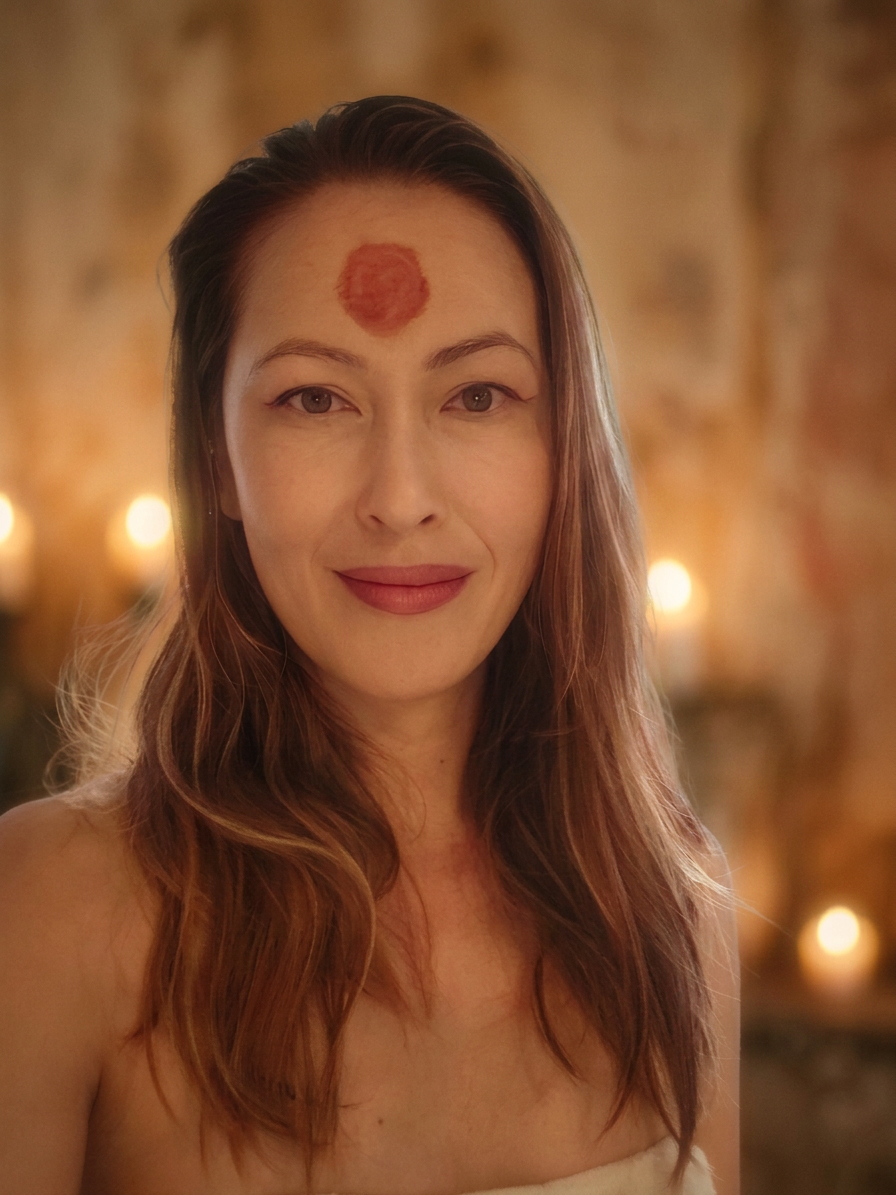
“There is a difference between knowing and believing. When we know, there is no doubt.”
Her bare feet poke out of her maxi dress, grounded into the earth. Her energy is calm but fierce.
She's warm but direct, just like the medicine. In her eyes, I catch a wave of true compassion.

36 Hours With Iboga
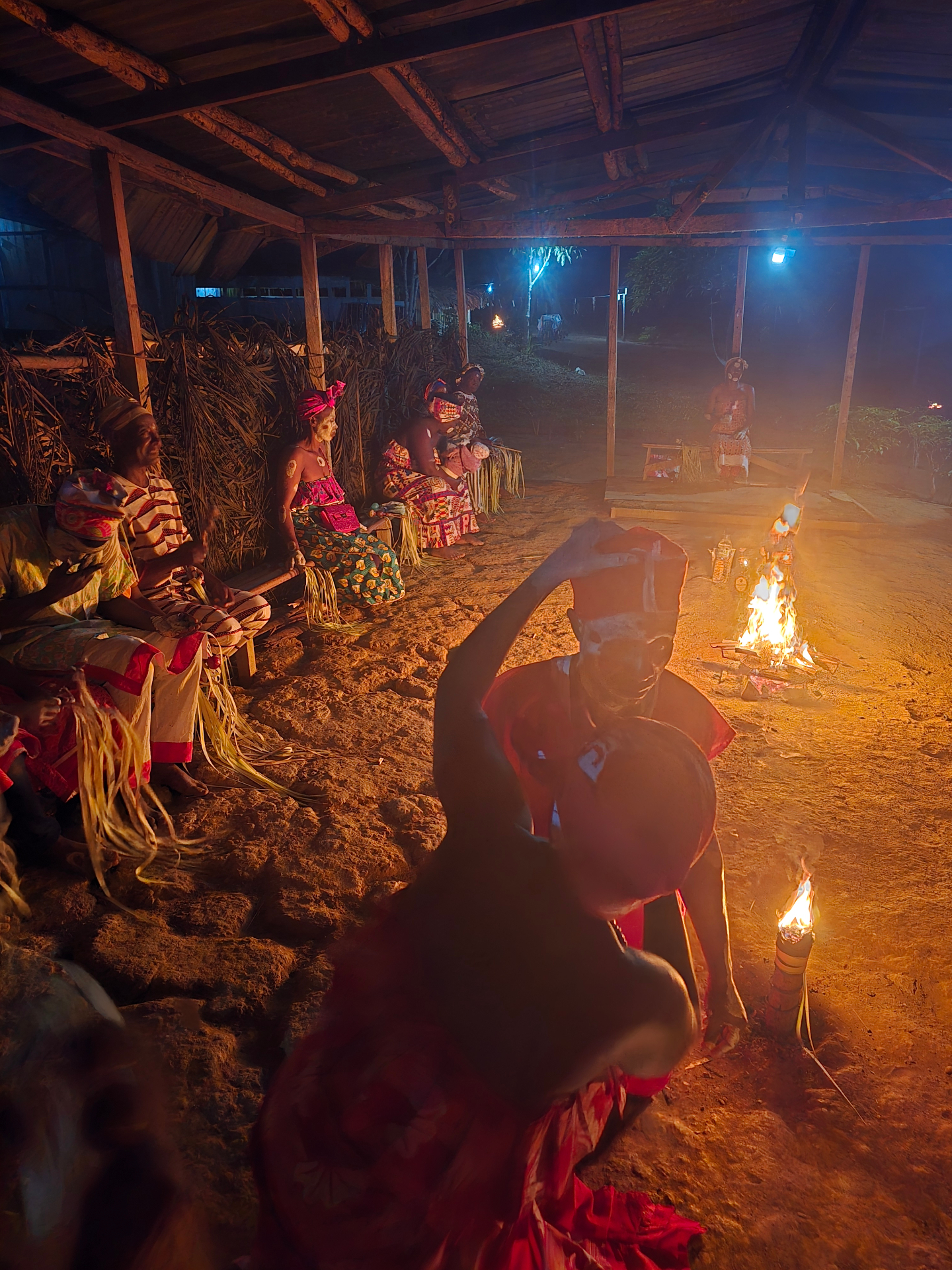
A long-form account of an Iboga ceremony in Baja, where Ixchel served as a facilitator — fire talk, the eating of the wood, and the healing of the chronically painful cycles carried for years.
Initiated, taught, and still learning.
Ceremonial training has unfolded across continents and decades. What follows is a partial map — partial because the work continues, and because the deepest teachers are not always named.
Bwiti — Fang & Mitsogo branches
Two ceremonial initiations within the Bwiti tradition. Ongoing relationship with the village of Ntann and the nonprofit Bwiti Roots.
Amazonian training & modern modalities
Practice rooted in the Dominican Republic, in dialogue with Amazonian maestros, weaving plant ceremony with contemporary integrative modalities.
Huichol (Wixárika) ceremonial lineages
Time spent with the Wixárika (Huichol) people of the Sierra Madre, in reverence to the sacred deer Kauyumari and the ancestral pilgrimage to Wirikuta.
A standing student
The work continues to be taught. The clinic remains in conversation with teachers across continents — there is no end to the apprenticeship.
Carried with reverence.
Sacred medicines are integrated into care only when appropriate, and only within a broader framework of preparation, ceremony, and integration. They are tools in service of the work — never the work itself.
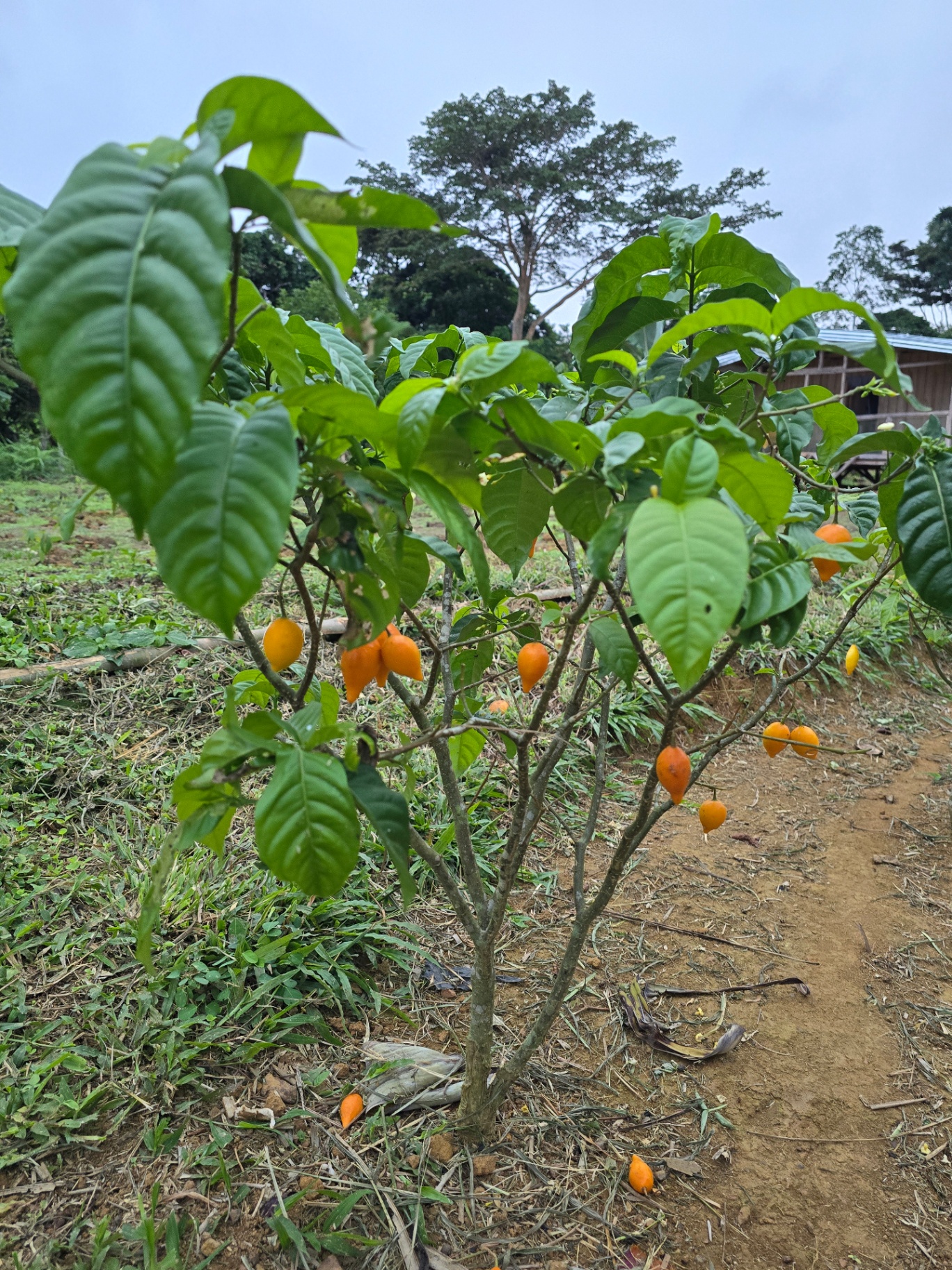
Iboga
Carried within the Bwiti traditions of Gabon. The root of root medicines — long-form, ancestral, uncompromising.

Bufo
A brief, structural encounter with the ground of being. Held with rigorous preparation and a long arc of integration.

Psilocybin
Versatile, attuned to the season of the work. Used to soften, to reveal, to repair.

Ayahuasca
The vine and the leaf. Worked with in lineage, in ceremony, and only when the architecture of care is in place.
Rapé
Sacred snuff prepared by Amazonian tribes. Used to ground, clear, and orient at the threshold of ceremony.

Kambo
The secretion of the giant monkey frog. A purgative and immune ally, applied within tightly held protocol.
Sananga
Eye drops prepared from the roots of an Amazonian shrub. Sharpens vision, inner and outer, before deeper work.
Syrian Rue
An ancient harmala-bearing seed used to deepen and clarify the work of other medicines.
The traditions that inform the work.

Held in ongoing relationship.
The work at IXCHEL is grounded in active relationships beyond San Francisco. The clinic collaborates with Bwiti Roots, a registered nonprofit preserving ancestral Gabonese Bwiti culture, and maintains close ties with the Bwiti Fang village of Ntann.
Reciprocity is not a gesture here; it is the structure on which the work stands. A portion of every offering received returns to the lineages that made the work possible.
The clinic receives by appointment. Those who feel called to begin are invited to a consultation.