Soul Archaeology: Excavating What Psychedelics Unearth
On the inner dig, and the reverence required to hold what surfaces.
Beneath our polished identities and curated memories, a deeper self waits to be remembered. When we engage with psychedelic medicine through a ceremonial lens, we are not simply taking a substance, we are stepping into an excavation of the soul.
We become archaeologists of our own inner landscape, moving carefully through years of programming, inherited stories, and unprocessed emotion. This is soul archaeology. The tools of this trade are not chisels or brushes, but presence, courage, and reverence.
The layers beneath the surface.
Most of us walk around in a version of ourselves built from adaptation, shaped by family systems, societal expectations, and personal survival strategies. These masks are not false; they served us. But they are often incomplete. When a psychedelic experience is held in a safe, intentional container, what begins to surface is not only insight, but buried memory, unmetabolized grief, and ancient knowing.
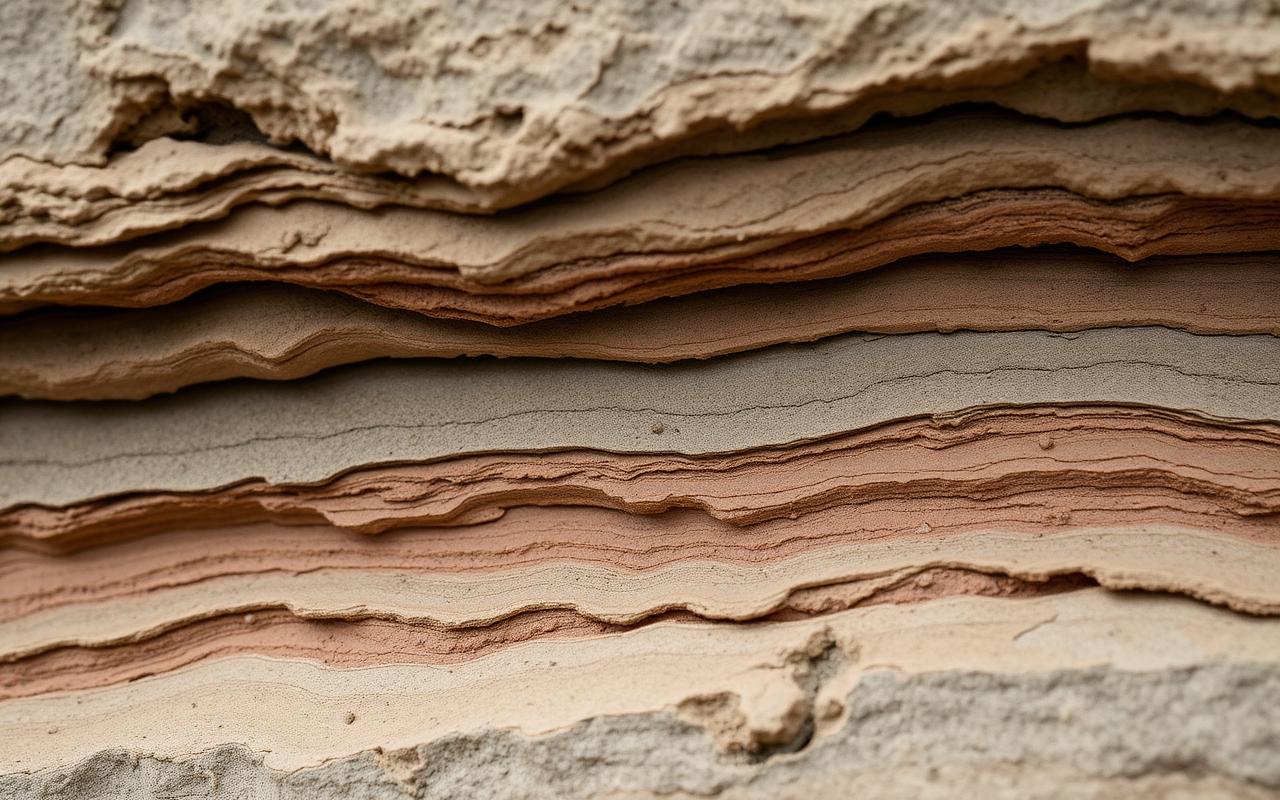
The medicine reveals the sediment layers: limiting beliefs, generational wounds, and early childhood imprints. It does so not to shame or overwhelm, but to offer a choice, to unearth what's hidden, to feel what has long been frozen, to bring forgotten truths back into the light.
This is not about fixing yourself. It is about remembering who you are underneath what you were told to be.
Ceremony as dig site.
Every soul excavation needs a context. Ceremony provides the sacred site, the ritual scaffolding that lets us go deeper without getting lost. It acts as both compass and container. In ceremony, we are witnessed. We are supported. And we are guided by forces beyond the visible, ancestral, elemental, energetic.
When the psychedelic journey is approached as sacred work, not recreational escape, not clinical procedure, we begin to touch our roots. Ceremony invites us into relationship with the buried selves calling to be seen. Ultimately, it speaks to our relationship with our own medicine: the unique gifts of our birthrights, our land, and our lineages.
Treasure and bone.
Some excavations reveal gold: moments of divine clarity, visions of cosmic unity, the ecstatic pulse of oneness. Others touch bone, truths that sting, emotions that have waited decades to be felt. Both are sacred. Both belong.
Soul archaeology is not about bypassing the rubble to get to the treasure. It is about honoring all of it. The healing comes not from what you see, but from how you relate to what's revealed. We learn to hold our findings with tenderness, to sit with the child inside us, to soften toward the masks we wore, to finally set down the burdens we were never meant to carry.
Integration as curation.
The excavation does not end when the ceremony does. In many ways, that is when the real work begins. Integration is where we sift through the findings, make meaning of what was unearthed, and begin to live differently as a result. Just as archaeologists catalog and preserve, we tend to what we have uncovered, through writing, movement, ritual, therapy, or rest.
It is not enough to see ourselves clearly for one night. The invitation is to reorient our lives around that deeper knowing, to walk forward in alignment with the truths retrieved from the depths.
Becoming the living artifact.
To do soul archaeology is to say: I believe there is something precious buried within me. And I am willing to meet it.
Over time, with enough presence and humility, we become the living artifact, polished not by perfection, but by the practice of walking deeply with ourselves. A human being more whole, more true, more free.
If the medicine is calling you, consider this: it may not be about transcendence. It may be about descent, into the inner caves of your being, where the bones of your story wait to be held, and your spirit waits to be known. There, in the silence and the soil, you might just find yourself again. The clinic exists to hold that descent with care.