At Psychedelic Culture: Lineage on the Main Stage
On speaking at Chacruna's annual gathering at the Brava Theater, and what it meant to bring the Fang Bwiti spiritual clinic into the global conversation.
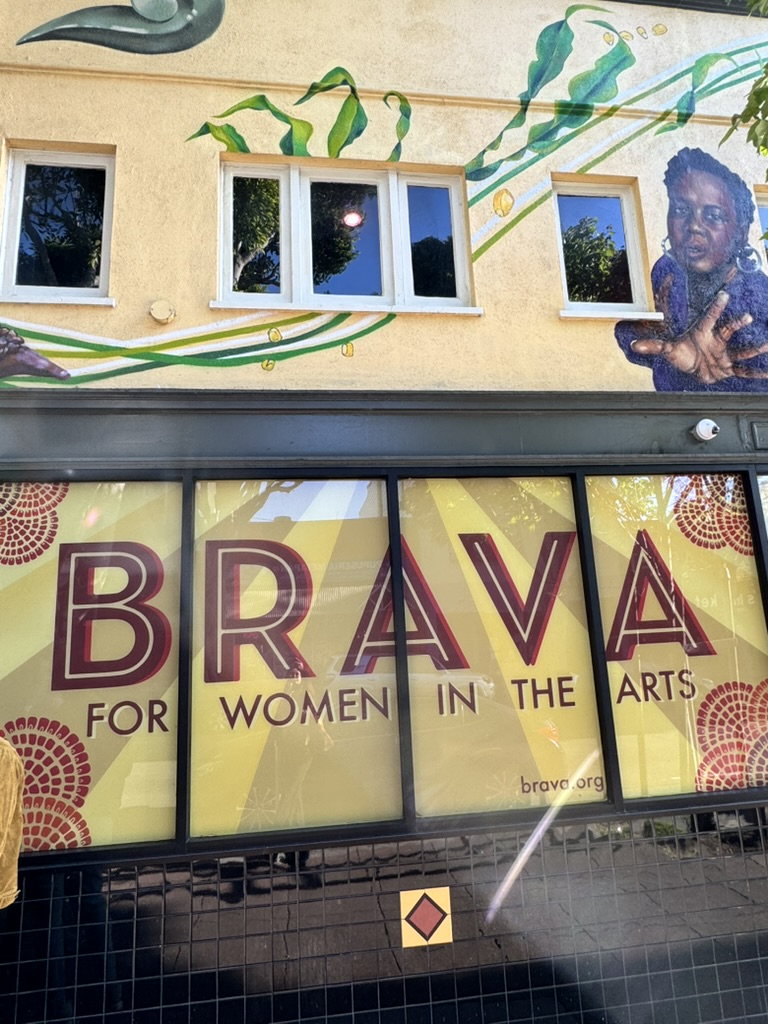
This past weekend I had the honor of speaking at Psychedelic Culture 2026, hosted by the Chacruna Institute at the Brava Theater in San Francisco, a three-day gathering bringing together researchers, clinicians, healers, Indigenous leaders, activists, and community advocates from around the world to engage in critical conversations shaping the future of psychedelics.
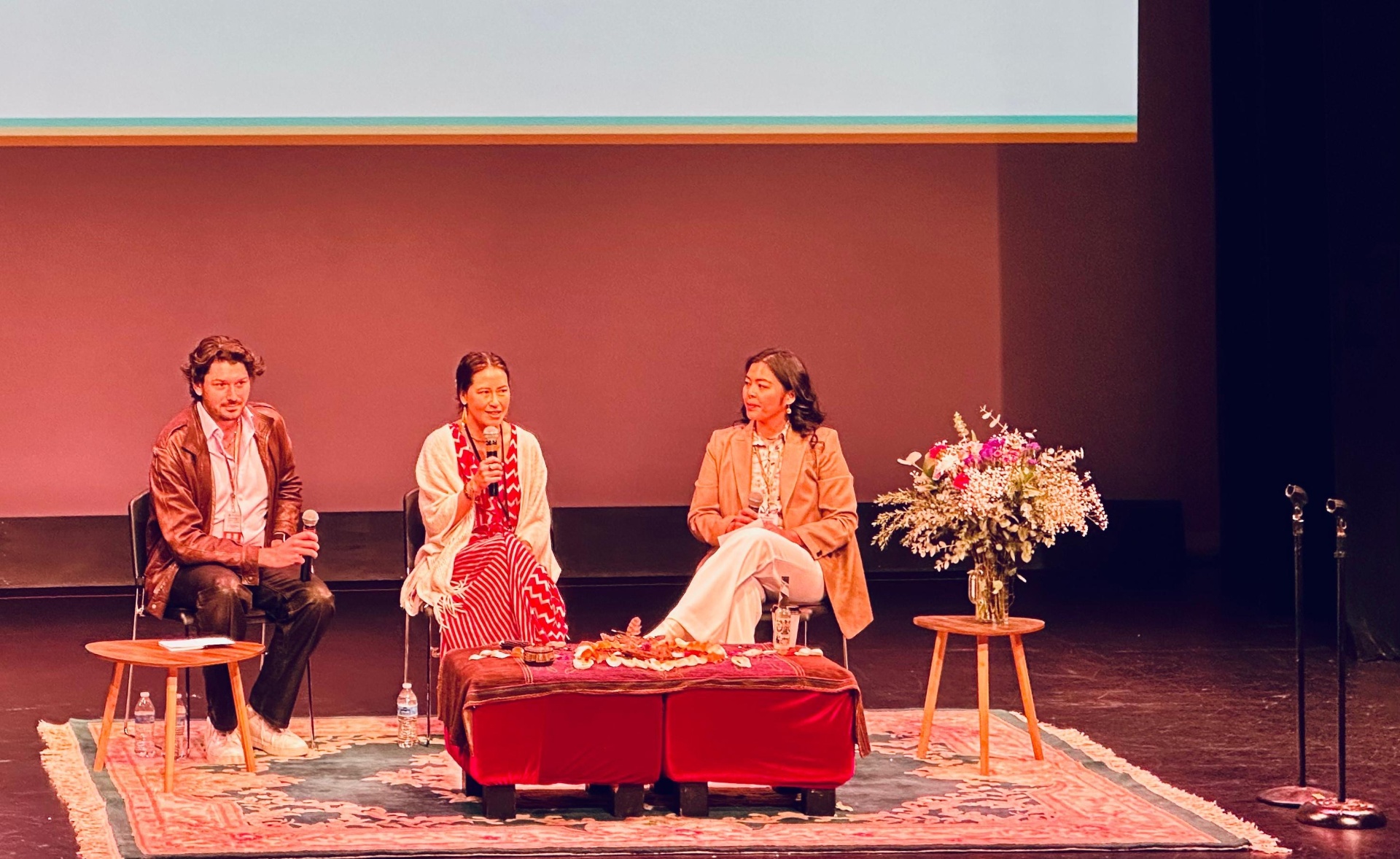
On the main stage.
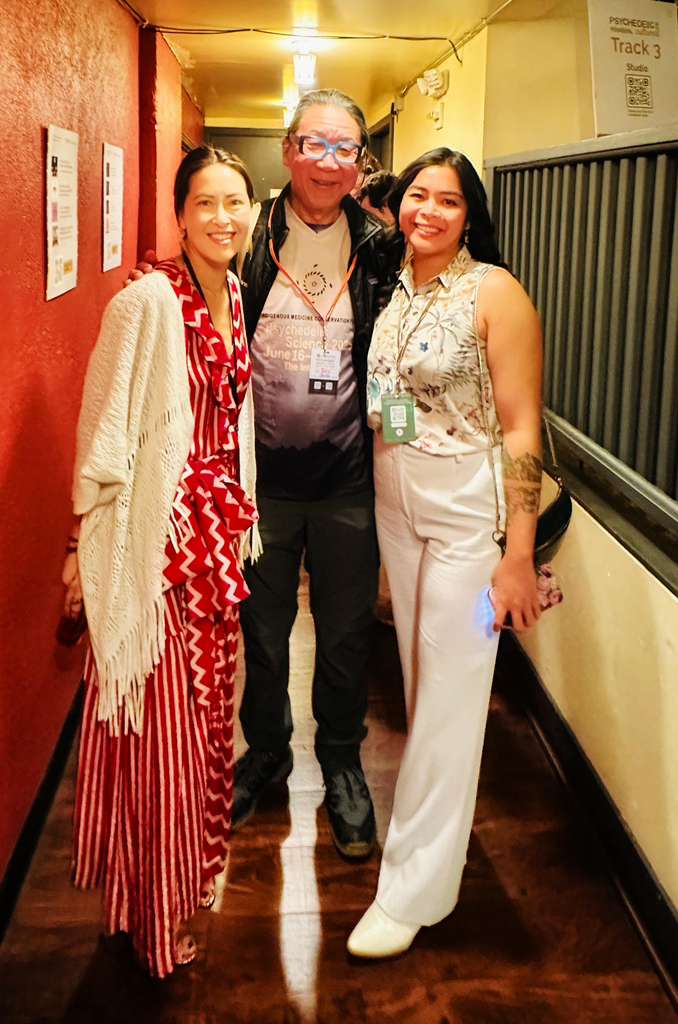
I joined Sebastian William Foster and Allana Camba on the Main Stage (Track 1), right after opening remarks by Bia Labate, Ph.D and Lorien Chavez, for a discussion titled “Global Psychedelic Landscapes: Perspectives from Filipino, South African, and Gabon Traditions.”
I spoke from my experience apprenticing within the Fang Bwiti tradition in Gabon, and what it means to carry forward a form of care that is rigorous, relational, and rooted in lineage. The IXCHEL Spiritual Clinic in San Francisco is in direct conversation with these values, and being on that stage made the throughline between Gabon and the Bayview feel both clearer and more urgent.
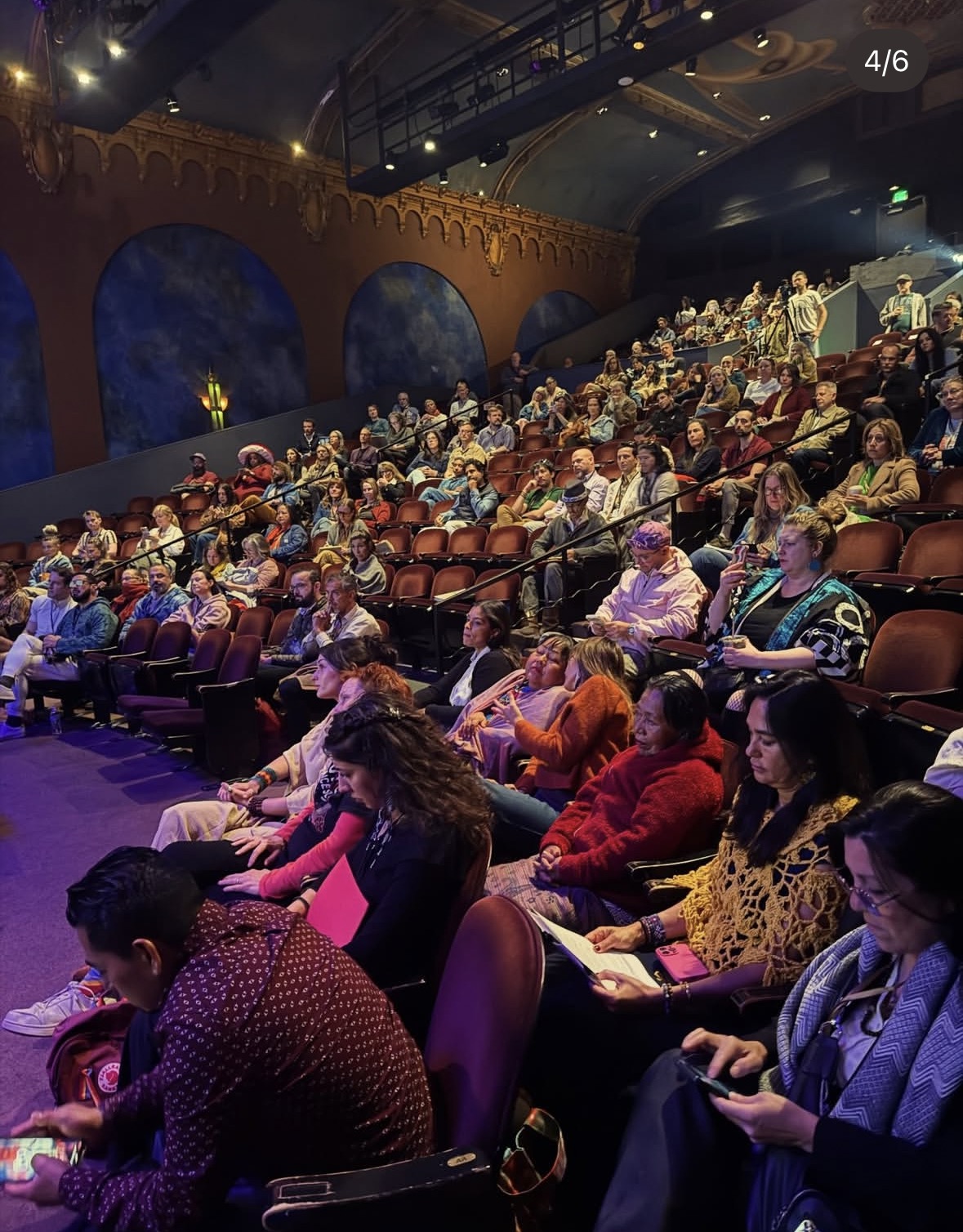
What it means to carry forward a form of care that is rigorous, relational, and rooted in lineage.
A timely weekend.
The conversations could not have been more timely. The same weekend, the Trump administration issued a federal order directing $50 million toward ibogaine and other psychedelic research, a sum that, almost overnight, will reshape the contours of access in this country.
There is a great deal to process in that. Gratitude that this work is finally being taken seriously. Grief that it has fallen on veterans, people sent into harm's way and then handed back the burden of building the recovery infrastructure themselves, to be the moral force pushing this movement forward. The horror of that arrangement should not be smoothed over by the headline.
And then the harder question, the one Chacruna spent three days holding: access without structure is foolhardy. Funding alone does not create safety. Without lineage, ethics, integration, and community-based stewardship, scale becomes a liability, not a gift.
What the conference held.
Across the program, the field's most necessary conversations were taken seriously: Indigenous reciprocity and biocultural conservation; psychedelic justice, law, and policy; women, LGBTQ+, and Global South perspectives; ceremony ethics and community-based practice; and ongoing dialogues between neuroscience and shamanism.
These are not abstract themes. They are the working questions that decide whether this work is held with care or scaled past it.
Looking ahead.
I am genuinely excited to keep collaborating with Chacruna, and with the wider community gathered at the Brava, to keep building rooms where lineage and rigor can meet the policy moment we are now inside of.
Deep gratitude to everyone who continues to carry and protect this work, and to the IXCHEL Spiritual Clinic community, whose presence makes it possible to speak from somewhere real.