The Bay's Psychedelic Lineage
On the regional inheritance the clinic stands inside, and the responsibility that comes with it.
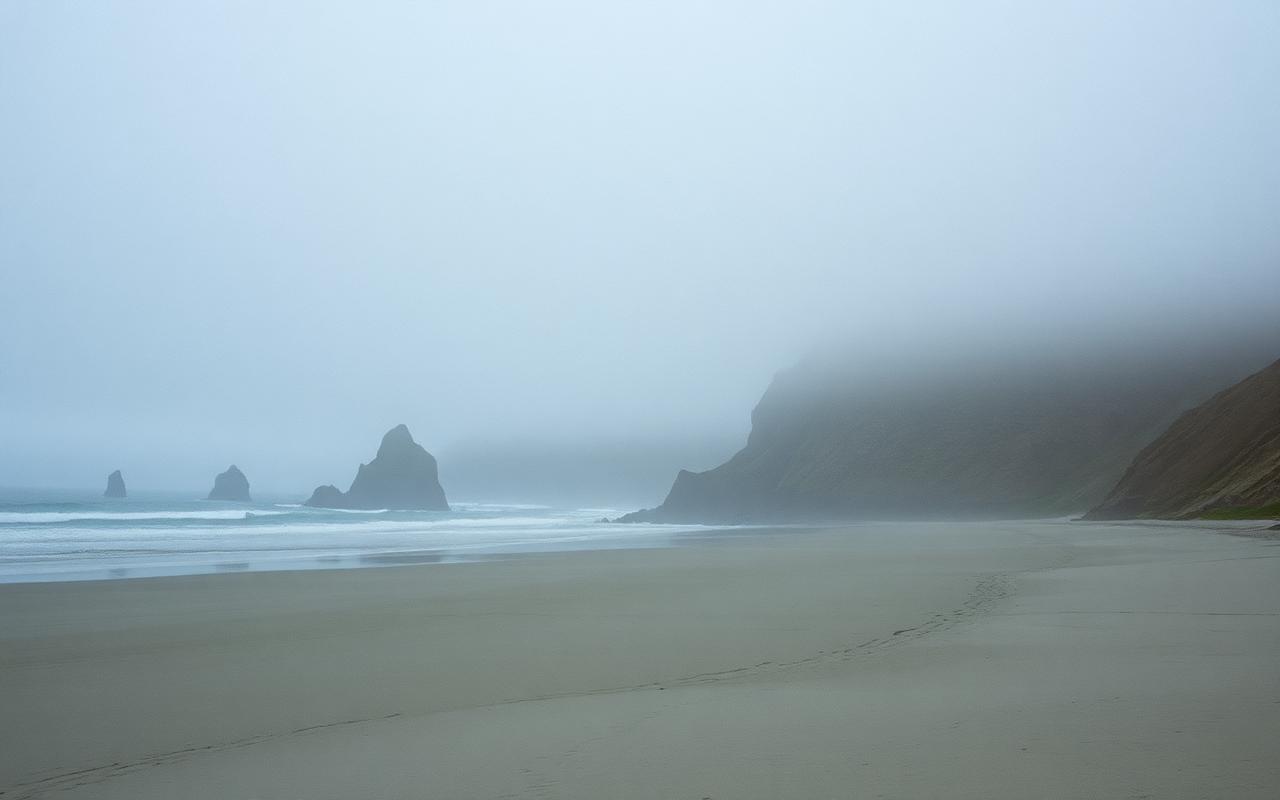
The Bay Area has long been a cradle of radical thought, cultural experimentation, and spiritual inquiry. It is no coincidence that this region played a vital role in the early blossoming of the psychedelic movement, and continues to be fertile ground for the next evolution of healing work.
From the cliffside baths of Esalen to the ceremonial spaces in which Ixchel's lineage was formed, the Bay's psychedelic inheritance is rich, layered, and still unfolding. The clinic does not invent this lineage; it stands inside it.
A portal called Esalen.
Perched on the Big Sur coastline, Esalen Institute became a sanctuary for those seeking expanded consciousness in the 1960s and 70s. Thinkers, seekers, therapists, and mystics gathered there to explore the frontier of the mind. Stanislav Grof's early work with LSD therapy. Alan Watts weaving Zen and psychedelics. The Human Potential Movement. Much of it was incubated where the Pacific meets ancient cliffs and change feels inevitable.
Esalen was never only about the substances. It was about the synthesis of psychology and mysticism, somatics and breathwork. The premise that emerged was quietly radical: healing is not only a matter of fixing. It is also a matter of remembering.
San Francisco: a psychedelic city.
In the city itself, San Francisco pulsed with revolution. The Summer of Love was more than flower crowns and acid trips; it was an experiment in collective awakening. As the political pendulum swung and prohibition took hold, the underground kept the spark alive. Indigenous wisdom keepers, urban mystics, and renegade therapists quietly carried the flame through decades of silence.
That same current still hums beneath the surface. From integration circles in the Mission to microdosing startups in SoMa, the Bay continues to innovate, sometimes responsibly, sometimes not. The clinic's work is to remain in conversation with that field while holding a different center of gravity.
The bridge to IXCHEL Spiritual Clinic.
In recent years, a new generation of ceremonial spaces has emerged, rooted in lineage, yet shaped by contemporary needs. Ixchel Spiritual Clinic is one of them. Though some ceremonies take place on sacred land beyond the city limits, the soul of the clinic is deeply connected to the Bay. Its founder is steeped in the Bay's ethos of innovation, spiritual inquiry, and integrative care.
Inside the clinic, this work returns to its roots: not as a clinical service or consumer product, but as a sacred act held with clinical rigor. Ceremonies here are not scripted or mass-produced. They are attuned, emergent, and relational, much closer in spirit to the early experiments that shaped the psychedelic renaissance than to the standardized protocols that often follow waves of public attention.
Chacruna, and the keepers of the knowledge.
No honest account of the Bay's psychedelic lineage can be told without naming the Chacruna Institute. For years, Chacruna has done the patient, unglamorous work of protecting Indigenous wisdom, convening elders, scholars, and practitioners; defending the cultural and ecological integrity of the medicines; and insisting that this field remember whose knowledge it is built on. They are, in the truest sense, keepers, and the Bay is more accountable because of them.
It is a genuine honor to be invited to speak at Psychedelic Culture 2026. To stand in a room Chacruna gathers, among lineage holders, researchers, and practitioners who take this work seriously, is not something I take lightly. I'm bringing the clinic's perspective on ceremony, integration, and clinical rigor into that conversation, and I'm just as eager to listen as to speak.
A living lineage.
Lineage is not about replication. It is about resonance. The Bay's psychedelic lineage is alive precisely because it continues to evolve. It holds a spirit of inquiry and integration. It bridges science and soul, data and dream, without flattening either side into the other.
For those of us who live and serve in the Bay, this lineage is not a metaphor. It is a responsibility: to honor our teachers both seen and unseen, and to bring forward paradigms that are ethical, embodied, and earth-rooted. The Bay taught us to ask the deeper questions. The clinic exists to help people live the answers.